

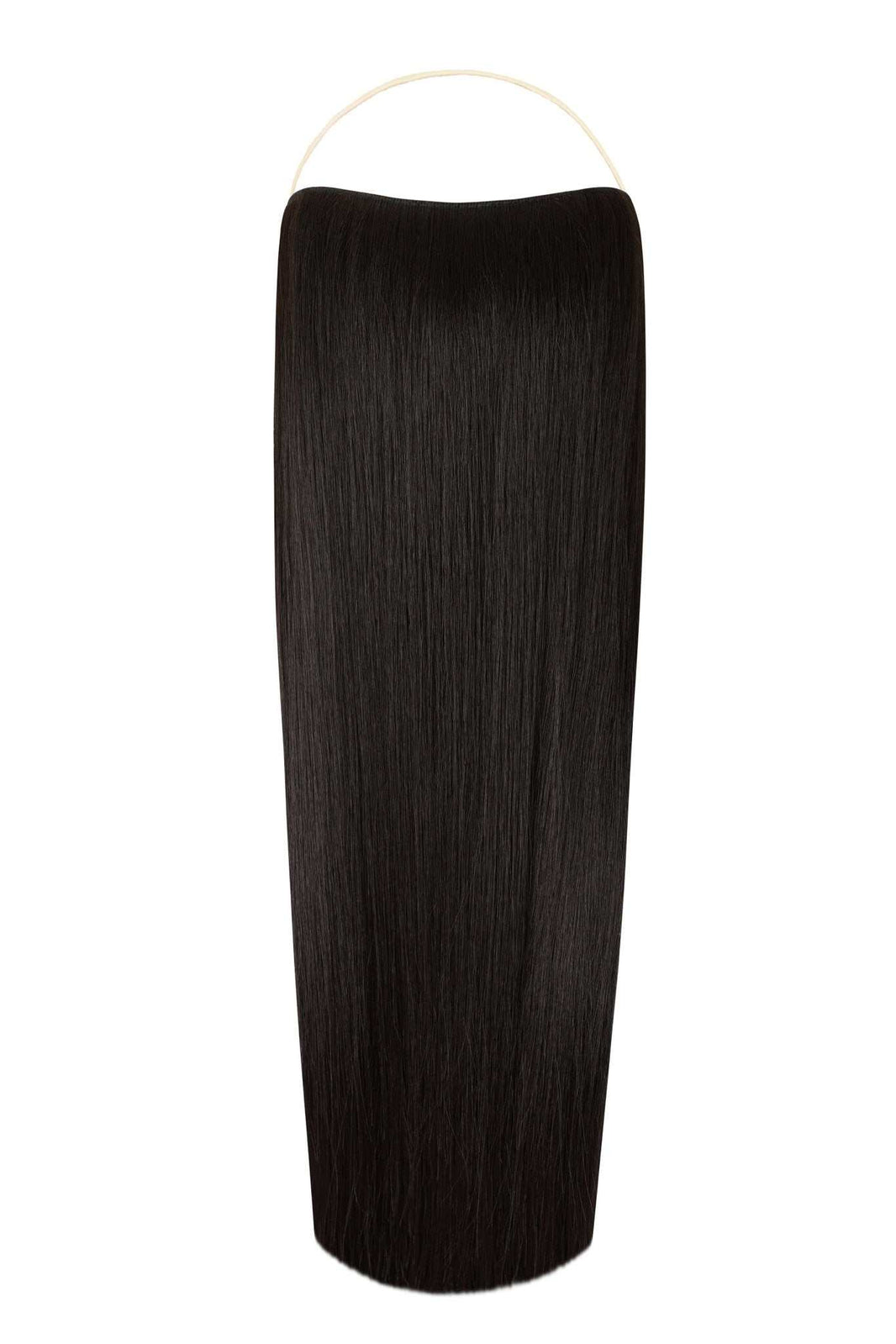

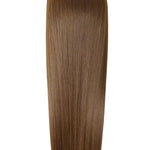
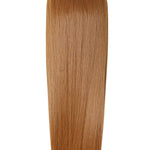
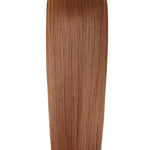
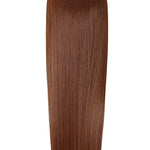
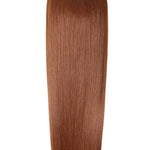
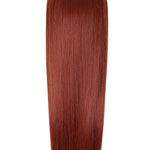
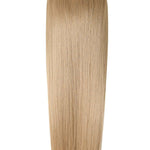
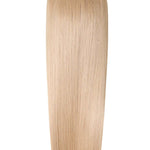


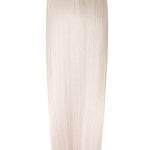
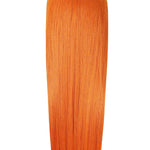

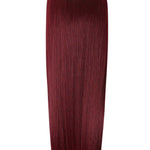


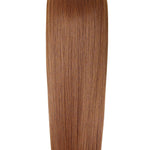
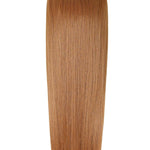
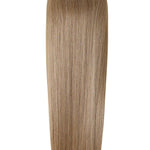

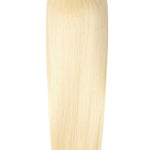
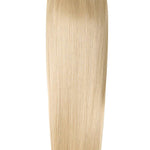
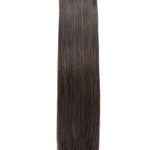
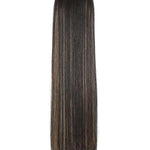
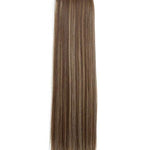
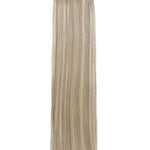
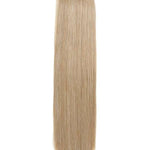
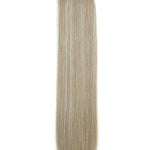
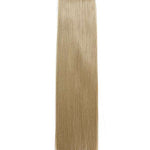

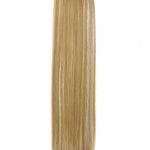

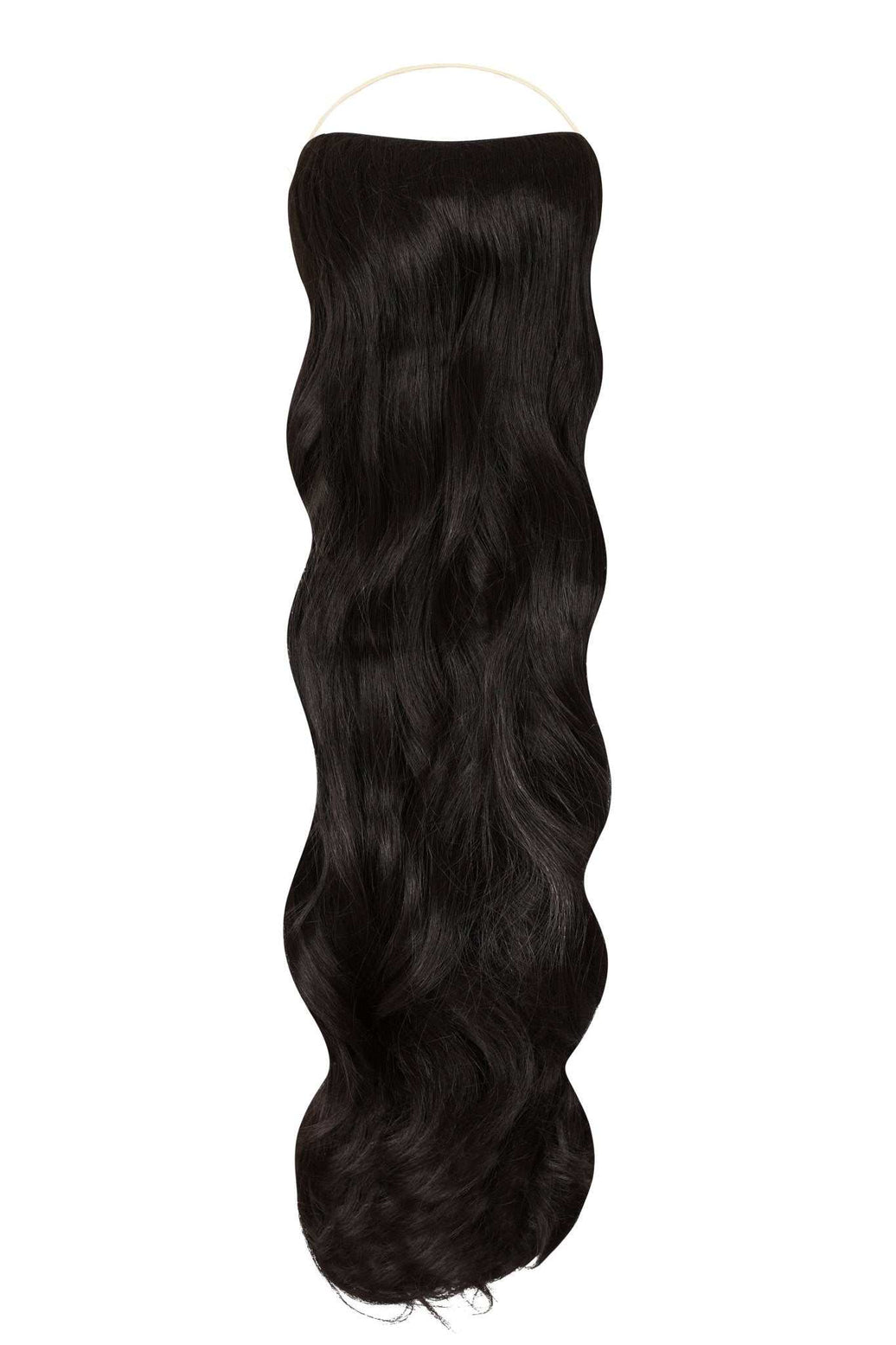
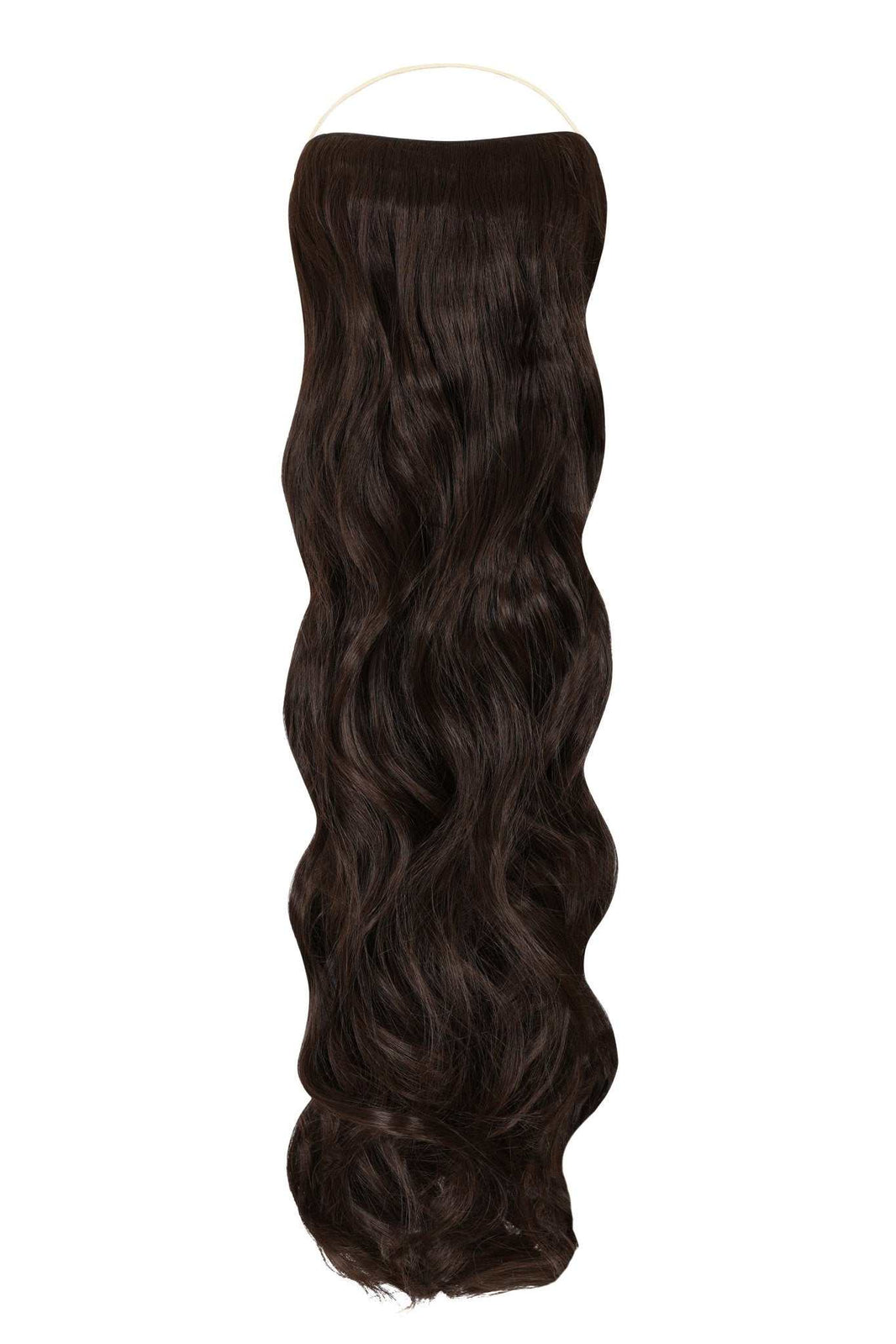
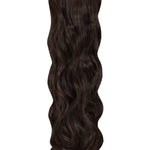
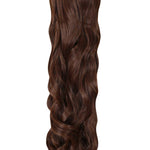
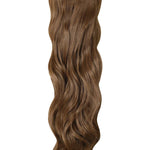
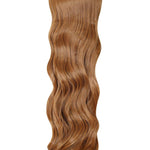
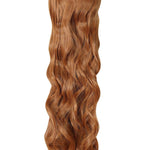
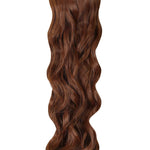
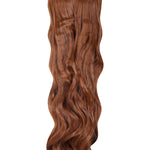
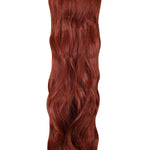
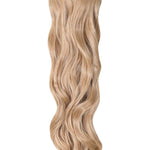
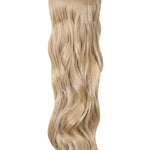
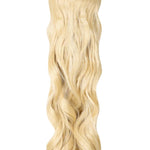
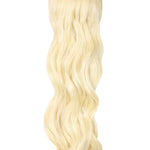
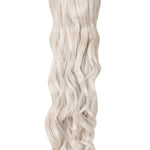
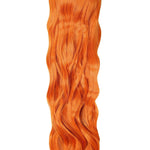
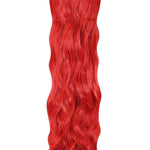
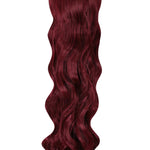
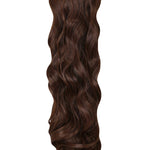
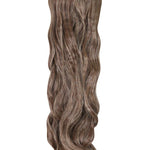
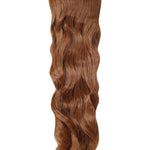
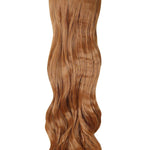
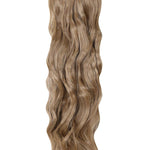
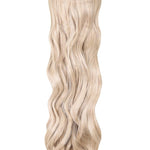
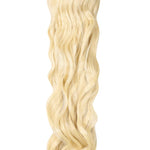
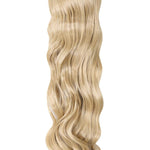
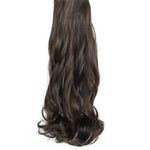
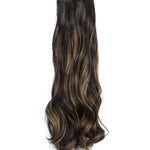
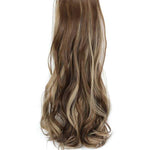
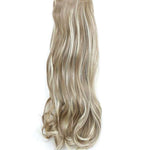
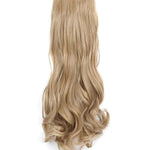
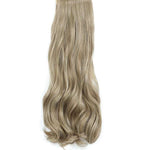
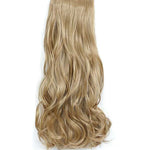
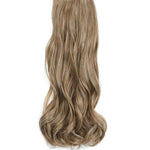
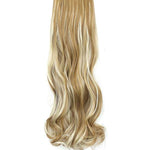
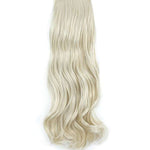
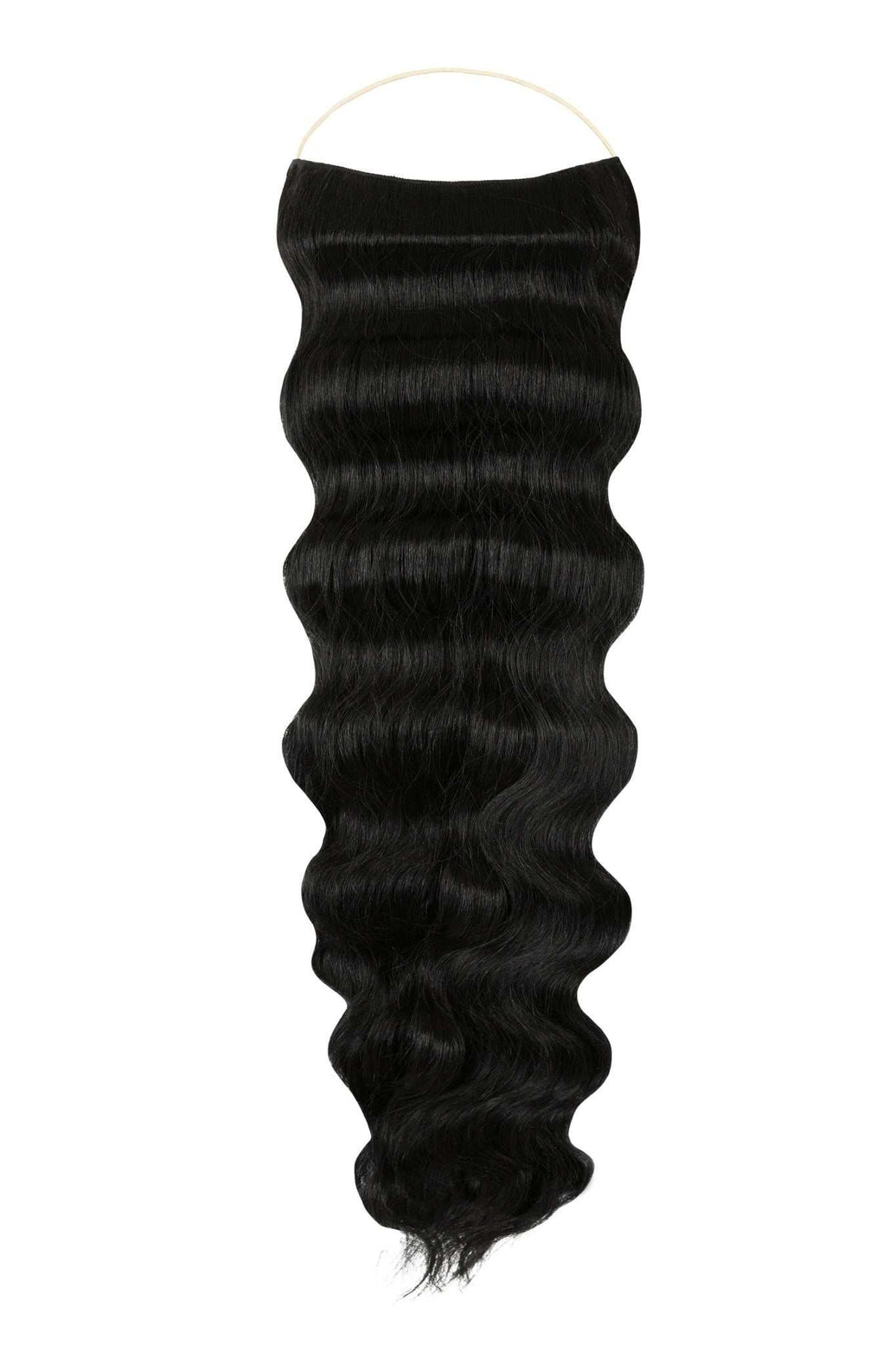
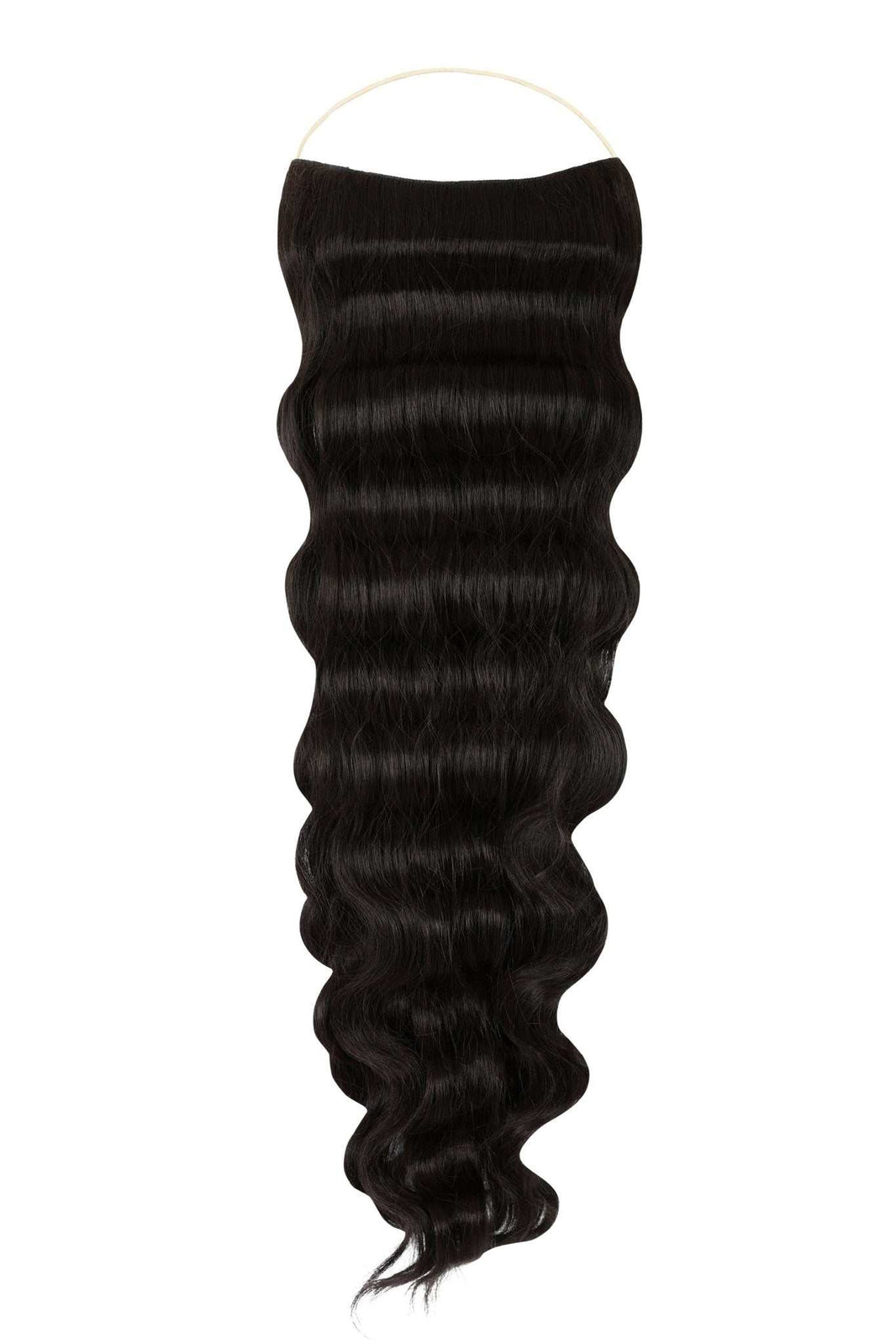
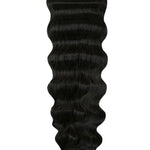
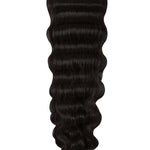
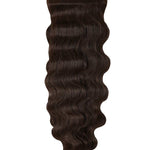
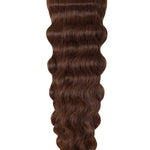
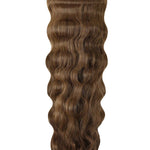
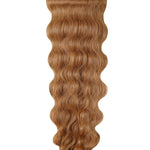
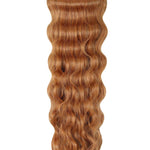
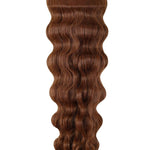
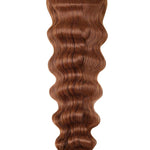
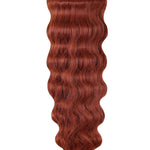
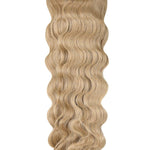
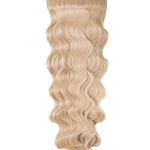
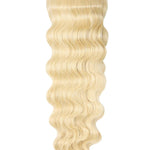
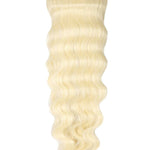
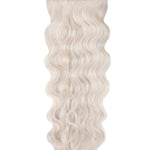
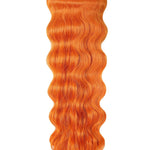
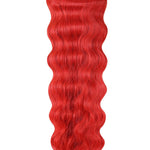
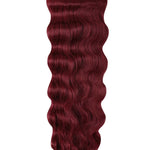
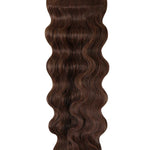
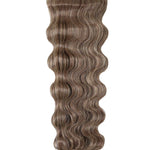
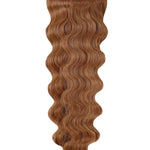
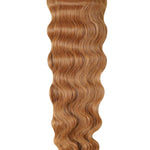
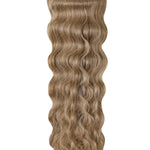
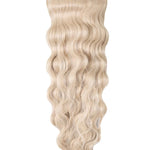
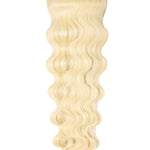
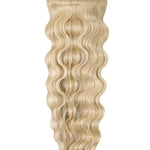
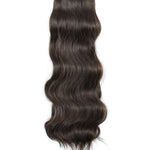
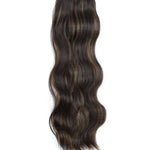
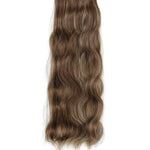
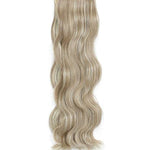
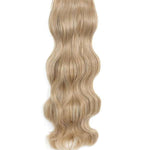
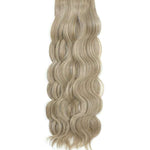
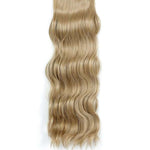
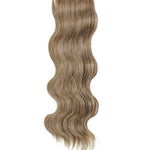
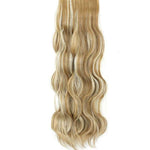
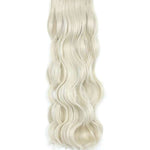
Send In Your Photo For A Colour Match Exchanges until you find the perfect match! (*photo must be in real natural daylight)
How to Match Your Halo Extension Shade to Your Natural Hair Colour
 by Halo Hair Collective
Why Shade Matching Is the Most Important Step When Buying a Halo Extension
You've found the right length. You've chosen your texture. But there's one decision that will make or break how natural your halo extension looks: getting the shade right.
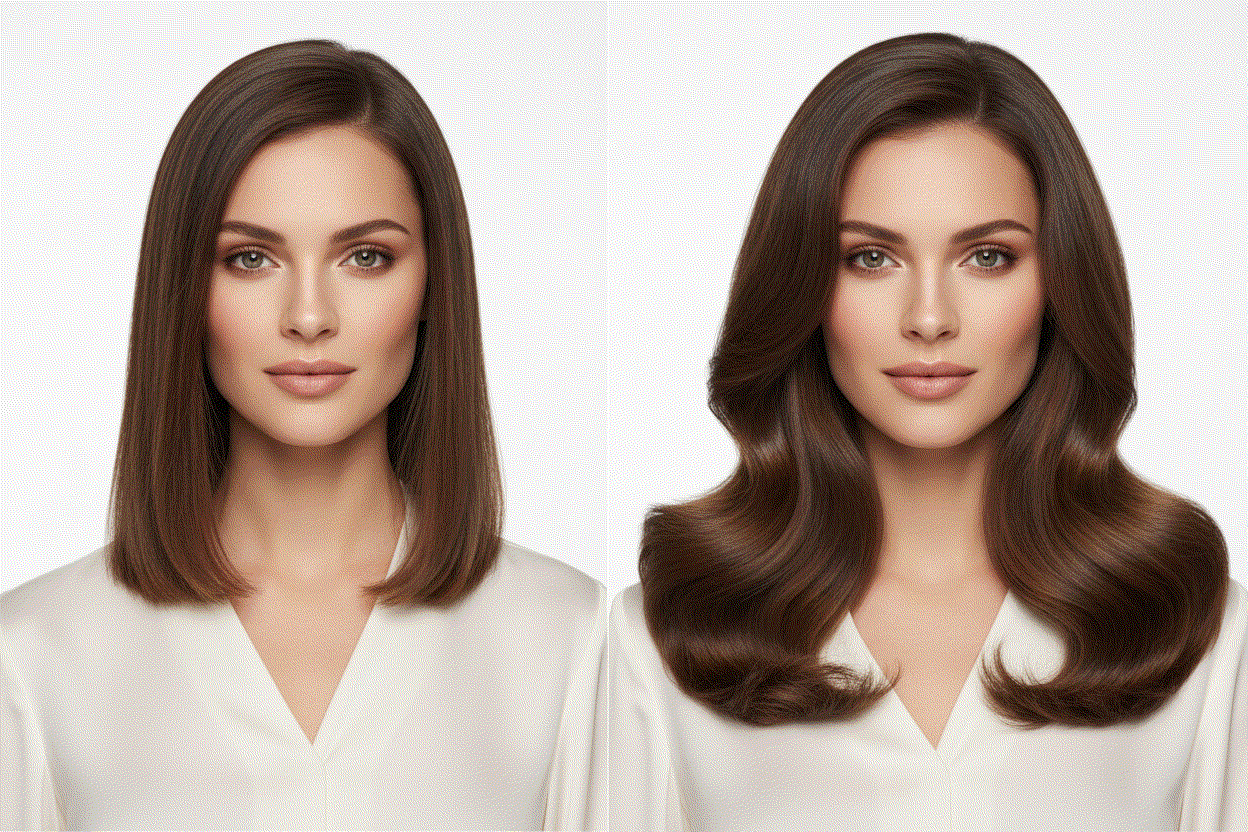
A perfectly matched halo extension should be invisible — blending seamlessly into your natural hair so that no one can tell where your hair ends and the extension begins. Get it wrong, and even the most premium extension will look obvious.
This guide walks you through exactly how to colour match your Signature Syn Halo extension to your natural hair, step by step — including what to do if your hair is highlighted, balayage, or multi-tonal.
Step 1: Identify Your Base Colour
Your base colour is the dominant, underlying tone of your hair — the colour that makes up the majority of your strands. This is your starting point for shade matching.
To identify it accurately:
- Look at the mid-lengths of your hair in natural daylight (not artificial lighting, which distorts tone)
- Avoid looking at your roots (which may be darker) or your ends (which may be lighter or more faded)
- Take a photo in natural light — this gives you the most accurate read of your true base colour
Common base colour categories: Jet Black · Off Black · Dark Brown · Medium Brown · Light Brown · Dark Blonde · Medium Blonde · Light Blonde · Platinum · Auburn · Red
Step 2: Understand Warm vs Cool Undertones
Two shades can look identical in a swatch but clash completely against your hair because of their undertone. This is one of the most overlooked aspects of shade matching.
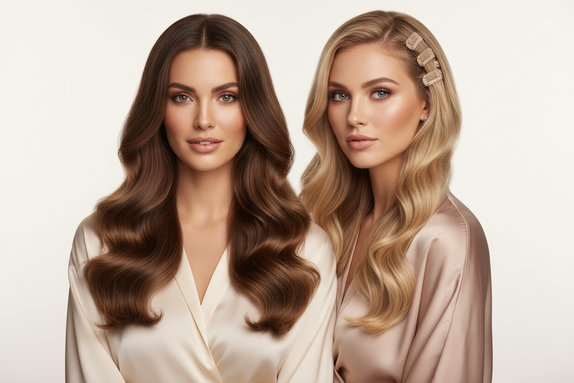
Warm undertones have golden, honey, caramel, or reddish hues. If your hair catches the light and looks golden or amber, you have warm-toned hair.
Cool undertones have ash, beige, or platinum hues. If your hair looks more grey, silver, or flat in the light, you have cool-toned hair.
Neutral undertones sit between the two — neither distinctly warm nor cool.
When browsing the Signature Syn Halo shade range, look for descriptors like ash (cool), golden or honey (warm), or natural (neutral) to guide your choice.
Step 3: Match to Your Mid-Lengths, Not Your Roots
This is the single most important rule of halo extension shade matching: always match to your mid-lengths.
Here's why: a halo extension sits at the back and sides of your head, blending into the mid-lengths and ends of your natural hair. Your roots are hidden underneath. If you match to your roots, the extension will appear too dark where it meets your hair.
Rule of thumb: If you're between two shades, go slightly lighter rather than darker. A shade that's marginally lighter will blend more naturally than one that's too dark.
Step 4: What to Do If You Have Highlighted or Balayage Hair
Highlighted and balayage hair is multi-tonal by nature, which makes shade matching feel more complex — but there's a simple approach that works every time.
For Highlighted Hair
Choose a shade that matches your base colour (the darker sections between your highlights). The extension will naturally pick up light in a similar way to your highlights, creating a blended, dimensional look.
For Balayage Hair
Balayage typically transitions from a darker root to a lighter mid-length and end. Match the extension shade to the mid-length colour — the point where the balayage is most prominent. This creates the most seamless blend.
For Heavily Highlighted or Platinum-Tipped Hair
If your hair is very light at the ends, consider a lighter shade from the Signature Syn Halo range. The extension will sit at the back of your head where your lighter tones are most visible.
Step 5: Use the Signature Syn Halo Shade Guide
Every shade in the Signature Syn Halo range is photographed in natural light to give you the most accurate representation possible. When comparing shades:
- View shade images on a calibrated screen (avoid viewing on a phone with high brightness or a blue-tinted display)
- Compare the shade image to a photo of your own hair taken in natural daylight
- Read the shade description carefully — descriptors like ash, golden, chestnut, and honey tell you a lot about the undertone
If you're still unsure, our team is available to help you choose — simply reach out with a photo of your hair in natural light.
Common Shade Matching Mistakes to Avoid
- Matching to your roots: Your roots are almost always darker than your mid-lengths. Match to mid-lengths instead.
- Viewing swatches in artificial light: Indoor lighting — especially yellow or LED lighting — distorts colour significantly. Always use natural daylight.
- Ignoring undertone: A shade that's the right depth but the wrong undertone will look mismatched. Warm hair needs warm extensions; cool hair needs cool extensions.
- Going too dark: When in doubt, go lighter. Darker extensions are harder to blend and more likely to look obvious.
- Comparing to old photos: Hair colour changes over time — especially if you colour, highlight, or your hair has faded. Use a recent photo taken in natural light.
Frequently Asked Questions
What if I can't find an exact match?
No extension shade will ever be a perfect 1:1 match to your natural hair — and that's completely normal. Hair is multi-dimensional and catches light differently depending on the angle. The goal is a close enough match that blends naturally when worn. A shade within one or two tones of your mid-length colour will almost always look seamless.
Can I match a halo extension to dyed hair?
Yes — treat your dyed colour as your natural colour and follow the same steps. Match to the mid-lengths of your dyed hair, paying attention to undertone. If your dye has faded, match to the current colour rather than the original dye shade.
What if my hair is two different colours (e.g., grown-out dye)?
Match to the colour that makes up the majority of your mid-lengths. If your hair is roughly 50/50, lean toward the lighter shade for the most natural blend.
Do Signature Syn Halo extensions come in multi-tonal shades?
Yes — several shades in the Signature Syn Halo range feature multi-tonal blends that mimic the natural variation of real hair. These are particularly well-suited to highlighted or balayage hair.
Can I return or exchange if the shade doesn't match?
Please refer to our returns policy for full details. We recommend using our shade guide and reaching out to our team before purchasing if you're unsure — we're happy to help you find the right match before you buy.
Ready to Find Your Perfect Shade?
Browse the full Signature Syn Halo shade range and find your match. With UK stock and fast delivery, you could be wearing your new halo extension within days.
Still not sure? Contact us with a photo of your hair in natural light and we'll recommend the best shade for you.
Leave a comment